news
Submitted on 2026-03-19
The spacecraft has phoned home, re-establishing the lost connection.
Submitted on 2026-03-17
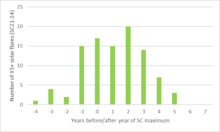
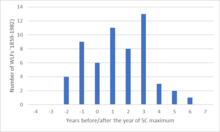
Though the solar cycle maximum is already 1.5 years behind us, we may still expect a number of very strong solar flares over the next 2 years.
Submitted on 2026-03-13
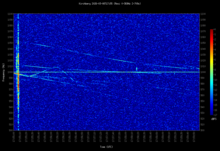
On March 8, several stations from the BRAMS network observed the meteor that became instantaneously famous. From 18:55 CET, people started to post on social media pictures and movies of a bright, exploding meteor.
Submitted on 2026-03-09
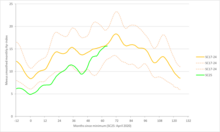
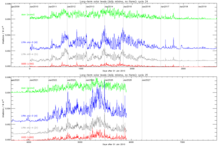
The STCE's SC25 Tracking page has been updated to reflect the latest evolution of some critical space weather parameters for the ongoing solar cycle 25 (SC25). Some significant space weather events have been recorded during the last five months.
Submitted on 2026-03-06
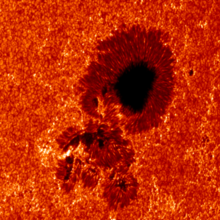
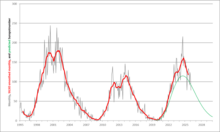
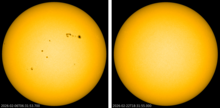
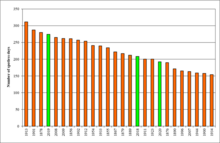
What this entails for the SIDC team, is that, at this stage of the Solar Cycle, the Sun is very active, and will remain at a similar level of activity well into 2026. Since the beginning of 2024, many large and complex active regions have crossed the solar disk regularly driving the daily sunspot number to well above 250
Submitted on 2026-03-02
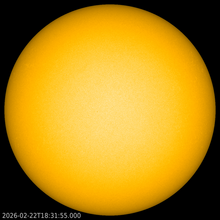
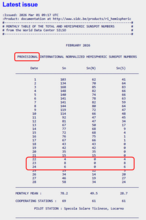
The Sun was nearly spotless during a few days late February, as reported by SILSO (provisional sunspot numbers). The last spotless day dates back to 11 December 2021.
Submitted on 2026-02-23
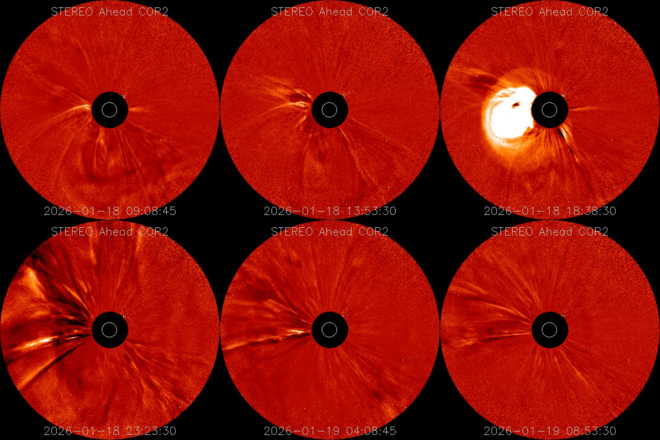
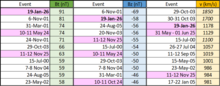
Coming back once again to the 19 January 2026 solar storm, highlighting the extraordinary solar wind conditions associated with the passage of this interplanetary CME.
Submitted on 2026-02-18
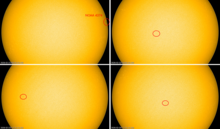
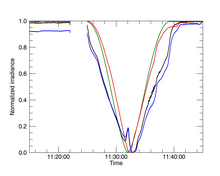
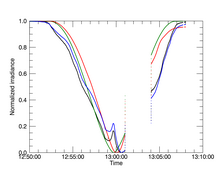
On February 17, an annular eclipse took place. Unfortunately, from Earth, annularity was only visible over Antarctica. Fortunately PROBA-2 was on duty and witnessed not one but four eclipses.
Submitted on 2026-02-17
On February 6, the finalists of the 'Battle of the Scientists' explained their space weather research to an audience of children between 6 and 12 years: 500 onsite and 2100 online.
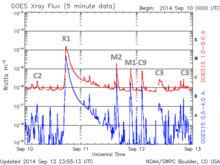
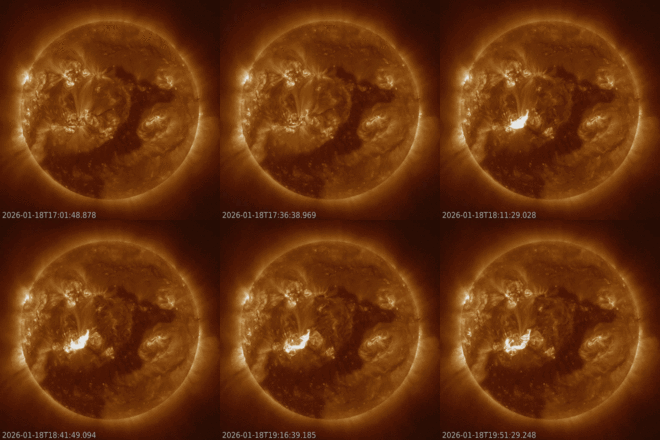
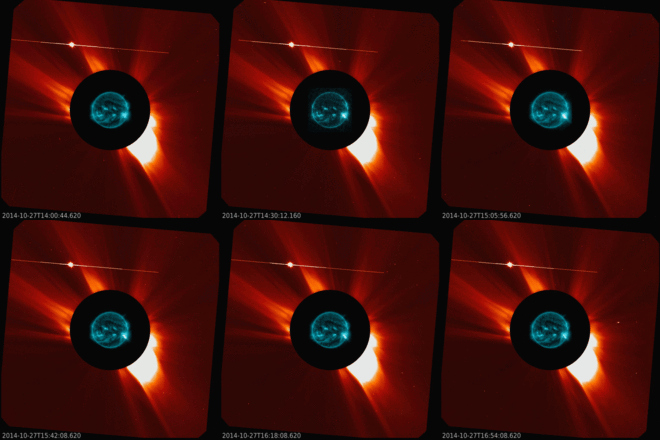
The energy release was in the order of an X-flare, accompanied by an Earth-directed CME of olympic speed and a major proton storm.
Get ready for these brilliant researchers (Dutch):
Submitted on 2026-02-16
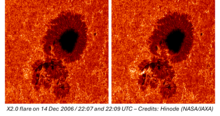
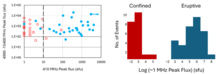
A recent paper by Cliver et al. (2025) has shed some additional light on why strong X-class flares are sometimes not associated with a coronal mass ejection.
Pages
Zircon - This is a contributing Drupal Theme
Design by
WeebPal.






 ©2026 Royal Observatory of Belgium. All rights reserved.